
Uncategorized

ડૉ. દીપ્તિ પટેલે IMA સુરતના 111મા પ્રમુખ તરીકે શપથ લીધા


– પ્રથમ વખત 94 વર્ષીય માતાને ઇન્સ્ટોલેશન ઓફિસર બનાવી દીકરીએ શપથ લીધા સુરત: ઇન્ડિયન મેડિકલ એસોસિએશન (IMA) સુરતની નવી કાર્યકારિણીનો ઇન્સ્ટોલેશન સમારોહ રવિવારે યોજાયો હતો. ડૉ. દીપ્તિ દીપક પટેલે વર્ષ 2026-27 માટે IMA સુરતના 111મા પ્રમુખ તરીકે શપથ ગ્રહણ કર્યા હતા. આ સમારોહમાં એક અનોખી અને ભાવુક ક્ષણ જોવા મળી હતી. પ્રથમ વખત એવું બન્યું કે IMAના ઇન્સ્ટોલેશન સમારોહમાં ડૉ. દીપ્તિ પટેલે પોતાની 94 વર્ષીય માતા મંજૂબેન પારીખને ઇન્સ્ટોલેશન ઓફિસર બનાવી તેમના હસ્તે શપથ લીધા હતા.

આ પ્રસંગે IMAના નેશનલ પ્રેસિડેન્ટ ડૉ. અનિલ કુમાર નાયક ખાસ ઉપસ્થિત રહ્યા હતા અને નવી કાર્યકારિણીને શપથ લેવડાવ્યા હતા. જ્યારે સુરત જિલ્લા કલેક્ટર તેજસ પરમાર ગેસ્ટ ઓફ ઓનર તરીકે ઉપસ્થિત રહ્યા હતા અને તેમના હસ્તે તબીબોનું સન્માન કરવામાં આવ્યું હતું. કાર્યક્રમમાં વિશેષ અતિથિ તરીકે ડૉ. અનિલ પટેલ અને ડૉ. મહેન્દ્રસિંહ ચૌહાણ ઉપસ્થિત રહ્યા હતા.

પ્રમુખપદની શપથ લીધા બાદ ડૉ. દીપ્તિ પટેલે જણાવ્યું હતું કે તેમની પ્રાથમિકતાઓમાં IMA માટે નવા ભવનનું નિર્માણ તેમજ તબીબી ક્ષેત્રમાં આર્ટિફિશિયલ ઇન્ટેલિજન્સ (AI)ના શ્રેષ્ઠ ઉપયોગને પ્રોત્સાહન આપવું મુખ્ય રહેશે.

આ પ્રસંગે ડૉ. મુકેશ પેટ્રોલવાળા અને ડૉ. હિરેશ ભાવસારએ પણ IMAની વિવિધ પ્રવૃત્તિઓ અને આગામી યોજનાઓ અંગે માહિતી આપી હતી.

સમારોહમાં IMAના પદાધિકારીઓ ઉપરાંત તબીબી ક્ષેત્ર સાથે સંકળાયેલા અનેક તબીબો અને અગ્રણીઓ ઉપસ્થિત રહ્યા હતા.

કાર્યક્રમ દરમિયાન તબીબી ક્ષેત્રમાં વધુ સારી આરોગ્ય સેવાઓ, તબીબો વચ્ચે પરસ્પર સહકાર અને સમાજના હિતમાં આરોગ્યલક્ષી પ્રવૃત્તિઓને વધુ વ્યાપક બનાવવા પર ભાર મૂકવામાં આવ્યો હતો.

Whales: Giants of the Ocean


Whales: Giants of the Ocean

Whales are among the largest and most remarkable animals on Earth. These marine mammals live in oceans around the world, from warm tropical waters to the cold seas surrounding the poles.

Life Beneath the Surface

Although whales spend their lives in water, they breathe air through blowholes located on top of their heads. They must regularly return to the surface to breathe before diving again in search of food or traveling through the ocean.

Whales are warm-blooded, give birth to live young, and nurse their calves with milk. A thick layer of fat called blubber helps protect them from cold water and stores energy during long migrations.

Two Main Groups

Whales are generally divided into baleen whales and toothed whales. Baleen whales filter small animals from the water using flexible plates inside their mouths. This group includes blue whales, humpback whales, and gray whales.

Toothed whales use teeth to catch fish, squid, and other prey. Many of them also use echolocation, producing sounds and listening for returning echoes to understand their surroundings. Sperm whales, belugas, and orcas belong to this group.

The Blue Whale

The blue whale is the largest known animal to have ever lived. An adult can grow longer than a city bus and weigh well over one hundred tonnes. Despite its enormous size, it feeds mainly on tiny crustaceans called krill.

Communication and Migration

Whales communicate using clicks, whistles, pulses, and complex songs. Some sounds can travel across great distances underwater. Humpback whales are especially famous for their long, patterned songs.

Many species migrate thousands of kilometres each year. They often feed in cold, nutrient-rich waters before traveling to warmer regions where they mate and give birth.

Protecting Whales

Commercial hunting once caused severe declines in many whale populations. Today, whales also face threats from fishing gear, ship collisions, underwater noise, pollution, and changes to ocean ecosystems.

Conservation programs, safer fishing practices, protected habitats, and international cooperation can help whale populations recover. Protecting whales also supports healthier oceans because these animals play an important role in marine food webs and nutrient cycles.

Whales: Giants of the Ocean


Whales: Giants of the Ocean

Whales are among the largest and most remarkable animals on Earth. These marine mammals live in oceans around the world, from warm tropical waters to the cold seas surrounding the poles.

Life Beneath the Surface

Although whales spend their lives in water, they breathe air through blowholes located on top of their heads. They must regularly return to the surface to breathe before diving again in search of food or traveling through the ocean.

Whales are warm-blooded, give birth to live young, and nurse their calves with milk. A thick layer of fat called blubber helps protect them from cold water and stores energy during long migrations.

Two Main Groups

Whales are generally divided into baleen whales and toothed whales. Baleen whales filter small animals from the water using flexible plates inside their mouths. This group includes blue whales, humpback whales, and gray whales.

Toothed whales use teeth to catch fish, squid, and other prey. Many of them also use echolocation, producing sounds and listening for returning echoes to understand their surroundings. Sperm whales, belugas, and orcas belong to this group.

The Blue Whale

The blue whale is the largest known animal to have ever lived. An adult can grow longer than a city bus and weigh well over one hundred tonnes. Despite its enormous size, it feeds mainly on tiny crustaceans called krill.

Communication and Migration

Whales communicate using clicks, whistles, pulses, and complex songs. Some sounds can travel across great distances underwater. Humpback whales are especially famous for their long, patterned songs.

Many species migrate thousands of kilometres each year. They often feed in cold, nutrient-rich waters before traveling to warmer regions where they mate and give birth.

Protecting Whales

Commercial hunting once caused severe declines in many whale populations. Today, whales also face threats from fishing gear, ship collisions, underwater noise, pollution, and changes to ocean ecosystems.

Conservation programs, safer fishing practices, protected habitats, and international cooperation can help whale populations recover. Protecting whales also supports healthier oceans because these animals play an important role in marine food webs and nutrient cycles.

Whales: Giants of the Ocean


Whales: Giants of the Ocean

Whales are among the largest and most remarkable animals on Earth. These marine mammals live in oceans around the world, from warm tropical waters to the cold seas surrounding the poles.

Life Beneath the Surface

Although whales spend their lives in water, they breathe air through blowholes located on top of their heads. They must regularly return to the surface to breathe before diving again in search of food or traveling through the ocean.

Whales are warm-blooded, give birth to live young, and nurse their calves with milk. A thick layer of fat called blubber helps protect them from cold water and stores energy during long migrations.

Two Main Groups

Whales are generally divided into baleen whales and toothed whales. Baleen whales filter small animals from the water using flexible plates inside their mouths. This group includes blue whales, humpback whales, and gray whales.

Toothed whales use teeth to catch fish, squid, and other prey. Many of them also use echolocation, producing sounds and listening for returning echoes to understand their surroundings. Sperm whales, belugas, and orcas belong to this group.

The Blue Whale

The blue whale is the largest known animal to have ever lived. An adult can grow longer than a city bus and weigh well over one hundred tonnes. Despite its enormous size, it feeds mainly on tiny crustaceans called krill.

Communication and Migration

Whales communicate using clicks, whistles, pulses, and complex songs. Some sounds can travel across great distances underwater. Humpback whales are especially famous for their long, patterned songs.

Many species migrate thousands of kilometres each year. They often feed in cold, nutrient-rich waters before traveling to warmer regions where they mate and give birth.

Protecting Whales

Commercial hunting once caused severe declines in many whale populations. Today, whales also face threats from fishing gear, ship collisions, underwater noise, pollution, and changes to ocean ecosystems.

Conservation programs, safer fishing practices, protected habitats, and international cooperation can help whale populations recover. Protecting whales also supports healthier oceans because these animals play an important role in marine food webs and nutrient cycles.

AM/NS Indiaએ નેશનલ ફાયર સર્વિસ ડેની ઉજવણી કરી


AM/NS India, હજીરા દ્વારા એપ્રિલ 14, 2026 ના રોજ “સુરક્ષિત શાળા, સુરક્ષિત હોસ્પિટલ અને ફાયર સેફ્ટી અંગે જાગૃક્ત સોસાયટી – ટુગેધર ફોર ફાયર પ્રિવેન્શન” થીમ હેઠળ નેશનલ ફાયર સર્વિસ ડેની ઉજવણી કરી હતી. આ પ્રસંગે સમગ્ર અઠવાડિયા દરમિયાન વિવિધ જાગૃતિ અને તાલીમ કાર્યક્રમો યોજાવામાં આવ્યા હતા. જેમાં એપ્રિલ 7,ના રોજ ટેબલટોપ એક્સરસાઇઝમાં જેમાં કુલ 22 વિભાગો જોડાયા હતા, જ્યારે એપ્રિલ 7 થી 9, દરમિયાન યોજાયેલી ઑનલાઇન ક્વિઝમાં 1,085 એન્ટ્રીઓ મળી હતી. આ ઉપરાંત એપ્રિલ 8ના રોજ AMNS ઈન્ટરનેશનલ સ્કૂલના 100થી વધુ વિદ્યાર્થીઓએ અને સ્ટાફે ફાયર ફાઇટીંગ તાલીમ મેળવી હતી.

વધુમાં, એપ્રિલ 9એ AM/NS Indiaની 19 ટીમો દ્વારા ગ્રુપ ફાયર ફાઇટીંગ સ્પર્ધામાં ઉત્સાહભેર ભાગ લેવામાં આવ્યો હતો. એપ્રિલ 10 અને 11ના રોજ કંપનીના કેર નર્સિગ હોમના 41 સભ્યોને તાલીમ આપવામાં આવી અને અંતે એપ્રિલ 14એ હજીરા પ્લાન્ટમાં સ્પોટ ક્વિઝનું આયોજન કરાયું હતું, જેમાં 700 કર્મચારીઓ ભાગ લીધો હતો. કુલ મળીને 2,100થી વધુ લોકો આ કાર્યક્રમોમાં જોડાયા હતા. જે AM/NS Indiaની સ્કૂલ, હોસ્પિટલ અને કાર્યસ્થળે આગથી સુરક્ષા જાગૃતિ ફેલાવવાની પ્રતિબદ્ધતાને દર્શાવે છે.

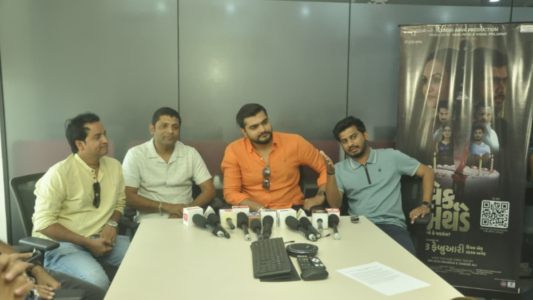
સુરતના આંગણે ફિલ્મ ‘બ્લેક બર્થડે’ની ટીમ: 13 ફેબ્રુઆરીએ સિનેમાઘરોમાં રિલીઝ થશે આ હાઈ-વોલ્ટેજ થ્રિલર


સુરત : ગુજરાતી સિનેમાની સૌથી મોટી સસ્પેન્સ મર્ડર મિસ્ટ્રી ગણાતી ફિલ્મ ‘બ્લેક બર્થડે’ ના પ્રમોશન માટે ફિલ્મના મુખ્ય કલાકારોએ આજે સુરતની મુલાકાત લીધી હતી. આ પ્રસંગે લોકપ્રિય અભિનેતા આર્જવ ત્રિવેદી અને સ્મિત જોશી સહિત ફિલ્મના દિગ્દર્શકો બ્રિજેશ બૌદ્ધ અને શાહિદ અલી ખાસ ઉપસ્થિત રહ્યા હતા. સુરતના આંગણે કલાકારોનું ઉમળકાભેર સ્વાગત કરવામાં આવ્યું હતું.

કાર્યક્રમ દરમિયાન મીડિયા સાથે વાતચીત કરતા આર્જવ ત્રિવેદી અને અન્ય કલાકારોએ ફિલ્મના શૂટિંગ દરમિયાનના પોતાના રોમાંચક અનુભવો શેર કર્યા હતા. દિગ્દર્શકોએ જણાવ્યું હતું કે સુરતના ચાહકો તરફથી હંમેશા ગુજરાતી ફિલ્મોને ઘણો પ્રેમ મળ્યો છે. આઆ ફિલ્મની વાર્તા એક જટિલ ત્રિકોણીય પ્રેમ પ્રકરણની આસપાસ વણાયેલી છે, જે એક ભયાનક વળાંક લેતા રહસ્યમય મર્ડર મિસ્ટ્રીમાં ફેરવાઈ જાય છે.

ફિલ્મમાં આર્જવ ત્રિવેદી, યોગીતા પટેલ, ચેતન દૈયા, જિતેન્દ્ર ઠક્કર, ધ્રુવી સોની, સ્મિત જોશી, મગન લુહાર, કલ્પેશ પટેલ, ગૌરાંગ જેડી વગેરે પ્રતિભાશાળી કલાકારો જોવા મળશે. આ ફિલ્મની સસ્પેન્સ અને ડાર્ક થીમ દર્શકોને સતત વિચારવા માટે મજબૂર કરે છે. પ્રેમ, ઈર્ષ્યા અને ગુનાના તાણાવાણા સાથે બનેલી ‘બ્લેક બર્થડે’ ગુજરાતી સિનેમામાં એક નવી જ ઉંચાઈ પ્રસ્થાપિત કરશે

સ્ટુડિયો અર્વા પ્રોડક્શન પ્રસ્તુત અને સાહિલ પટેલ તથા વિશાલ પ્રજાપતિ દ્વારા નિર્મિત આ હાઈ-વોલ્ટેજ થ્રિલર ડ્રામા આગામી 13 ફેબ્રુઆરી, 2026 ના રોજ સમગ્ર ગુજરાતના સિનેમાઘરોમાં રિલીઝ થવા જઈ રહી છે. ફિલ્મનું ટ્રેલર પહેલેથી જ સોશિયલ મીડિયા પર ધૂમ મચાવી રહ્યું છે. સુરતની મુલાકાત દરમિયાન કલાકારોએ વિશ્વાસ વ્યક્ત કર્યો હતો કે આ ફિલ્મ ગુજરાતી સિનેમામાં સસ્પેન્સના એક નવા સ્તરની પ્રતીતિ કરાવશે અને પ્રેક્ષકોને એક અનોખો સિનેમેટિક અનુભવ પૂરો પાડશે.

Example Post for WordPress


This is a sample post created to test the basic formatting features of the WordPress CMS.

Subheading Level 2

You can use bold text, italic text, and combine both styles.

  1. Step one
  2. Step two
  3. Step three

This content is only for demonstration purposes. Feel free to edit or delete it.