





સુરત શહેરમાં “આઇકોનિક ગ્લોરી એવોર્ડ્સ ૨૦૨૬” યોજાયા


અસાધારણ પ્રતિભા ધરાવતા ૫૦થી વધુ વ્યક્તિઓનું એવોર્ડ આપી સન્માન કરવામાં આવ્યું.

સુરત: પ્રતિભા, સિદ્ધિ અને શ્રેષ્ઠતાની ઉજવણી કરતા ભવ્ય કાર્યક્રમ “આઇકોનિક ગ્લોરી એવોર્ડ્સ ૨૦૨૬”નું આયોજન સુરતના જહાંગીરપુરા સ્થિત ‘ધ પ્રિવિલેજ – રેસ્ટોરન્ટ એન્ડ બેન્ક્વેટ’ ખાતે કરવામાં આવ્યું હતું. આ કાર્યક્રમનું આયોજન ‘આદિત્ય ગ્લોબલ આઇકોન્સ’ના સ્થાપક આરતી એમ. માલ્કે દ્વારા કરવામાં આવ્યું હતું. આ કાર્યક્રમને ગુરુકૃપા વિદ્યાલય (મોરાભાગળ), સિટી એજ્યુકેશન, વિનફાસ્ટ (VinFast), મહાવીર મોબાઈલ, કર્મિક ઈવેન્ટ્સ, શૌર્ય એન્ટરપ્રાઈઝિસ, માલ્કે એન્ટરપ્રાઈઝિસ, ડીએમ લૂપ + લાઈવલૂપ, માયફ્લેજ ઈન્સ્ટિટ્યૂટ ઓફ એવિએશન એન્ડ હોસ્પિટાલિટી, Fnx અને બિગ એફએમ (Big FM) દ્વારા પ્રાયોજિત કરવામાં આવ્યો હતો.

આ એવોર્ડ સમારોહનું આયોજન એવી વ્યક્તિઓને પ્રોત્સાહિત કરવા અને સન્માનિત કરવાના ઉદ્દેશ્ય સાથે કરવામાં આવ્યું હતું જેમણે પોતાની પ્રતિભા, ક્ષમતા અને અસાધારણ યોગદાન દ્વારા વિવિધ ક્ષેત્રોમાં આગવી ઓળખ બનાવી છે.

હિન્દી ફિલ્મ ‘ધ કેરલા સ્ટોરી’ની જાણીતી અભિનેત્રી અદાહ શર્મા “આઇકોનિક ગ્લોરી એવોર્ડ્સ ૨૦૨૬”માં મુખ્ય અતિથિ તરીકે ઉપસ્થિત રહી હતી. તેમણે વિશિષ્ટ વિજેતાઓને વ્યક્તિગત રીતે એવોર્ડ અર્પણ કર્યા હતા. આ ભવ્ય એવોર્ડ શોમાં હેતલ પુનીવાલા, કનુભાઈ ટેલર, તરુણ મિશ્રા અને અન્ય ઘણા ઉદ્યોગપતિઓ તથા પ્રભાવશાળી વ્યક્તિઓ (ઇન્ફ્લુએન્સર્સ) ઉપસ્થિત રહ્યા હતા, જેનાથી આ કાર્યક્રમ એક ભવ્ય અને યાદગાર સફળતા બની રહ્યો.

વિશિષ્ટ વ્યક્તિઓના સન્માન દ્વારા તેમને નવી ઓળખ મળી, અને સમાજમાં સક્રિય અન્ય સંસ્થાઓને કંઈક વિશેષ કરવા તથા શ્રેષ્ઠતા હાંસલ કરવા માટે પ્રેરણા મળી. આ એક સફળ સફરની માત્ર શરૂઆત હતી અને તેનો બીજો ભાગ (Part 2) ટૂંક સમયમાં આવી રહ્યો છે…

દત્તાશ્રય આશ્રમમાં સવા લાખ પાર્થેશ્વર શિવલિંગ સાથે ઉજવાયો ભવ્ય શિવભક્તિ મહોત્સવ


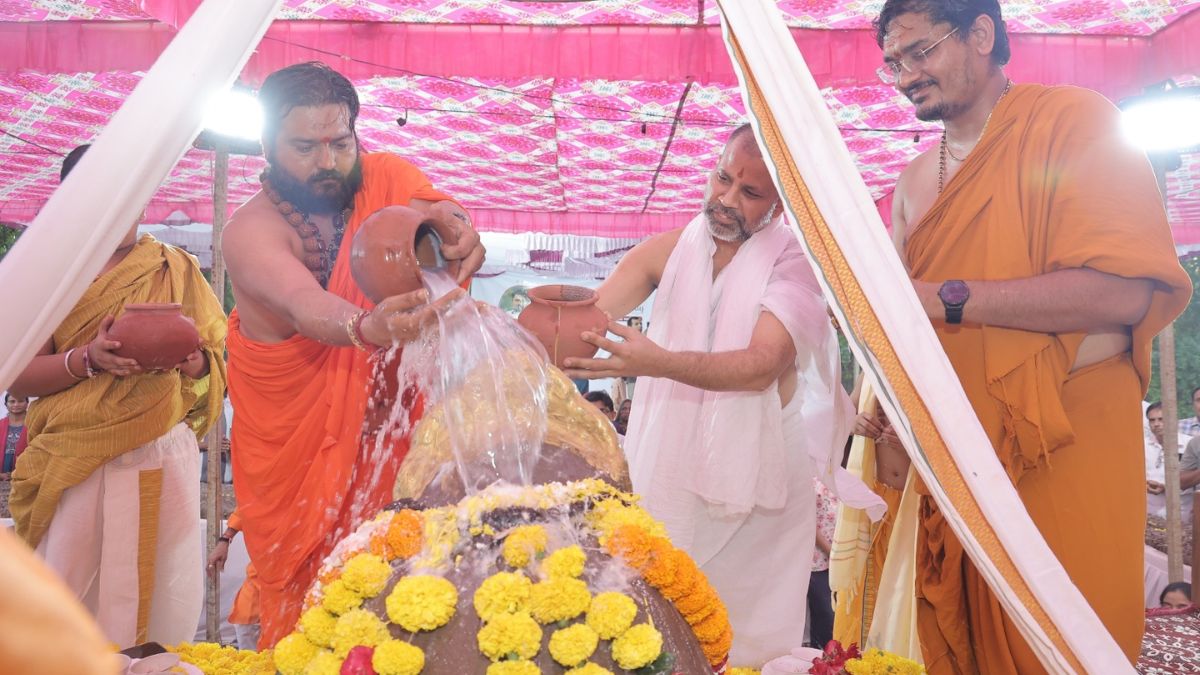
ખરચ ખાતે આવેલા દત્તાશ્રય આશ્રમમાં શ્રાવણ માસના અંતિમ દિવસે સવા લાખ એટલે કે ૧,૨૫,૦૦૦ પાર્થેશ્વર શિવલિંગ સાથે ભવ્ય શિવભક્તિ મહોત્સવ યોજાયો હતો. આશ્રમ દ્વારા સતત ૧૧મા વર્ષે યોજાયેલા આ ધાર્મિક કાર્યક્રમમાં હજારો ભક્તોએ ઉપસ્થિત રહી ભગવાન શિવની આરાધના કરી હતી. ભક્તિમય વાતાવરણ વચ્ચે યોજાયેલી ભસ્મ આરતીમાં મોટી સંખ્યામાં શ્રદ્ધાળુઓ જોડાયા હતા.

સમગ્ર આયોજન અંગે આચાર્ય ભાવિન પંડ્યાએ જણાવ્યું હતું કે સવારથી જ આશ્રમ ખાતે ભક્તોની અવરજવર શરૂ થઈ હતી. ભગવાન શિવના ભજનો અને હર હર મહાદેવના જયઘોષથી સમગ્ર આશ્રમ પરિસર ભક્તિમય બની ગયું હતું. સવા લાખ પાર્થેશ્વર શિવલિંગની વિશેષ પૂજા-અર્ચના સાથે ભગવાન શિવની આરાધના કરવામાં આવી હતી. ત્યારબાદ ભસ્મ આરતી યોજાઈ હતી, જેમાં ભક્તોએ શ્રદ્ધાપૂર્વક ભાગ લીધો હતો.

આ પ્રસંગે ભક્તોએ ભગવાન શિવના ચરણોમાં શાંતિ, લોકકલ્યાણ તેમજ સૌના સુખ અને સમૃદ્ધિ માટે પ્રાર્થના કરી હતી. ધાર્મિક વિધિઓ દરમિયાન આશ્રમ પરિસરમાં ભક્તિ અને આસ્થાનો માહોલ જોવા મળ્યો હતો.

આચાર્ય મનન પંડ્યાએ જણાવ્યું હતું કે દત્તાશ્રય આશ્રમ દ્વારા છેલ્લા ૧૦ વર્ષથી શ્રાવણ માસના પવિત્ર અવસરે શિવભક્તિના વિવિધ કાર્યક્રમો યોજવામાં આવે છે. આ પરંપરાના ભાગરૂપે ૧૧મા વર્ષે પણ વિશેષ આયોજન કરવામાં આવ્યું હતું. કાર્યક્રમના અંતે ઉપસ્થિત તમામ ભક્તો માટે મહાપ્રસાદીનું આયોજન કરવામાં આવ્યું હતું.

પારુલ સેવાશ્રમ હોસ્પિટલ NABH નર્સિંગ એક્સલન્સ ર્ટિફિકેશન મેળવનારી વડોદરાની પ્રથમ અને ગુજરાતમાં બીજી હોસ્પિટલ બની


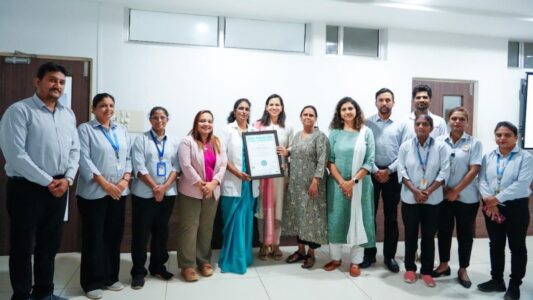
પારુલ ઇન્સ્ટિટ્યૂટ ઓફ મેડિકલ સાયન્સિસ એન્ડ રિસર્ચ સાથે જોડાણમાં પારુલ સેવાશ્રમ હોસ્પિટલ ગુણવત્તાયુક્ત હેલ્થકેર આપવા સતત ખંતપૂર્વક કામ કરે છે, જેણે એક નવું સીમાચિહ્ન સર કર્યું છે. પારુલ સેવાશ્રમ હોસ્પિટલે પ્રતિષ્ઠિત NABH નર્સિંગ એક્સલન્સ સર્ટિફિકેશન મેળવ્યું છે. આ સર્ટિફિકેશન મેળવનારી પારુલ સેવાશ્રમ હોસ્પિટલ વડોદરામાં પ્રથમ અને ગુજરાતમાં ફક્ત બીજી હોસ્પિટલ છે. આ સફળતાએ હોસ્પિટલની અત્યાધુનિક નર્સિંગ સિસ્ટમ, દર્દીની સલામતી, નૈદાનિક ગુણવત્તા અને દર્દી-કેન્દ્રીત હેલ્થકેર સેવાઓ આપવાની કટિબદ્ધતાની વધુ પુષ્ટિ કરી છે.

પારુલ સેવાશ્રમ હોસ્પિટલ એક ટીચિંગ હોસ્પિટલ છે, જે 1100 બેડની મલ્ટિસ્પેશિયાલિટી અને સુપર-સ્પેશિયાલિટી સેવાઓ આપે છે. હોસ્પિટલ પોતાની હેલ્થકેર સેવાઓ આપવાના ભાગરૂપે નર્સિંગ કુશળતા સાથે પોતાની નૈદાનિક અને ગુણવત્તાયુક્ત માળખાને મજબૂત કરી રહી છે. નર્સિંગ એક્સલન્સ સર્ટિફિકેશન એવી હોસ્પિટલોને જ મળે છે, જે દર્દીની સારવાર, નૈદાનિક અને સારવારમાં સલામતી, ઇન્ફેક્શન નિવારણ અને નિયંત્રણ, નર્સિંગ લીડરશિપ અને પરિણામોનાં મૂલ્યાંકન જેવા મુખ્ય ક્ષેત્રોમાં સતત અને શ્રેષ્ઠ નર્સિંગ રીતો ધરાવે છે.

આ સર્ટિફિકેશન નર્સિંગ કેરમાં સાતત્યતા અને જવાબદારી તરફ મહત્વપૂર્ણ પગલું છે. પ્રમાણભૂત નર્સિંગ આચારસંહિતા અને વ્યવસ્થિત નૈદાનિક રીતો એ સલામત સારવાર, ઇન્ફેક્શન નિવારણ અને હાનિકારક ઘટનાઓ ઘટાડવાનો આધાર છે. દર્દીઓને માળખાબદ્ધ જાણકારી, અસરકારક સંચાર અને સારવારની સાતત્યતા એ વધારે શ્રેષ્ઠ, સુમાહિતગાર રીતે દર્દીને સારો અનુભવ આપે છે. આ સર્ટિફિકેશન સ્વતંત્ર, રાષ્ટ્રીય માન્યતા પણ પ્રદાન કરે છે કે હોસ્પિટલની નર્સિંગ સિસ્ટમ અને રીતો ગુણવત્તાના સુપરિભાષિત ધારાધોરણો પૂર્ણ કરે છે.

નર્સિંગ કોઈ પણ હેલ્થકેર સંસ્થાનું હાર્દ છે, જેમાં નર્સો પ્રવેશથી લઈને નૈદાનિક નિરીક્ષણથી સારવારમાં ટેકો આપવા, તેની જાણકારી આપવા અને રિકવરી સુધી ચાવીરૂપ ભૂમિકા ભજવે છે. એટલે NABH નર્સિંગ એક્સલન્સ સર્ટિફિકેશન સંસ્થાગત વ્યવસ્થાઓની સાથે રોજિંદી કામગીરીમાં શિસ્ત, નૈદાનિક ક્ષમતા અને દર્દી-કેન્દ્રીત અભિગમને પણ દર્શાવે છે.

પારુલ સેવાશ્રમ હોસ્પિટલના સીઓઓ સુશ્રી એકતા મોદીએ આ સીમાચિહ્નરૂપ સર્ટિફિકેશન પર કહ્યું હતું, “આ સર્ટિફિકેશન અમારા માટે માન્યતાની સાથે અમારી નર્સોની કટિબદ્ધતા, શિસ્ત અને સંવેદનાનું પ્રતીક છે. અમને લાગે છે કે, આ સફળતા અમારી નર્સિંગ ટીમને શીખવા, સુધરવા અને સારસંભાળના માપદંડોને વધારવા પ્રેરિત કરશે. અમારું ધ્યાન દ્રઢતા સાથે એ સુનિશ્ચિત કરવા પર છે કે, અમારે ત્યાં આવતા તમામ દર્દીઓને નૈદાનિક ઉત્કૃષ્ટતાના સર્વોચ્ચ ધારાધોરણો સાથે સલામત, સંવેદનશીલ, પુરાવા પર આધારિત અને સાતત્યપૂર્ણ સારવાર મળે.”

NABH નર્સિંગ એક્સલન્સ સર્ટિફિકેશન એ પારુલ સેવાશ્રમ હોસ્પિટલની હાલ ચાલુ ગુણવત્તાની સફરમાં એક વધારો છે, જેમાં NABH ફૂલ એક્રેડિટેશન, NABH સ્ટ્રોક સર્ટિફિકેશન, NABH સર્ટિફાઇડ બ્લડ બેંક અને NABL સર્ટિફાઇડ લેબોરેટરી શામેલ છે. આ તમામ એવોર્ડ સંયુક્તપણે હોસ્પિટલની હેલ્થકેરના તમામ પાસાંમાં ગુણવત્તા અને સલામતી પ્રત્યેની કટિબદ્ધતા પર ભાર મૂકે છે.

આ સીમાચિહ્ન હોસ્પિટલના હેલ્થકેર વાતાવરણ ઊભું કરવાના બૃહદ્ વિઝન પર પણ ભાર મૂકે છે, જ્યાં ગુણવત્તા સર્ટિફિકેશનની સાથે રોજિંદી કામગીરીમાં વણાયેલી છે. પારુલ સેવાશ્રમ હોસ્પિટલ દર્દીની સલામતી, નૈદાનિક પરિણામો અને સંવેદનશીલ સારસંભાળ સાથે હેલ્થકેર સેવાની આતુરતા દર્શાવે છે, જે નર્સિંગ લીડરશિપને મજબૂત કરવાનું, નૈદાનિક પ્રક્રિયાના પ્રમાણીકરણ અને સતત સુધારાની શૈલીને પ્રોત્સાહન આપવાનું હાર્દ છે.

આ નવી માન્યતા હોસ્પિટલની નર્સિંગ ટીમની વ્યાવસાયિક રીતોના ધારાધોરણો વધારવા અને હેલ્થકેરની બદલાતી જરૂરિયાતો સાથે સતત વિકસવા પ્રોત્સાહન આપે છે. આ સર્ટિફિકેશન પારુલ સેવાશ્રમ હોસ્પિટલની ગુણવત્તાની કામગીરીની સફરમાં એક વધુ પગલું છે, જે દરેક પ્રક્રિયા, દરેક સંવાદ અને દરેક દર્દીના અનુભવમાં છે.

ઓડિશાના AM/NS ઇન્ડિયા જિમ્નેસ્ટિક્સ હાઇ-પરફોર્મન્સ સેન્ટરની ઓલિમ્પિયન પ્રણતિ નાયક એશિયન ગેમ્સ 2026માં ભારત તરફથી રમશે


– આઇચી-નાગોયા એશિયન ગેમ્સ માટે પસંદગી પામેલી એકમાત્ર ભારતીય જિમ્નાસ્ટ


મુંબઈ, 14 સપ્ટેમ્બર 2026: ભુવનેશ્વર સ્થિત ‘ઓડિશા AM/NS ઇન્ડિયા જિમ્નેસ્ટિક્સ હાઇ-પરફોર્મન્સ સેન્ટર’ (ઓડિશા AM/NS GHPC) ખાતે તાલીમ મેળવી રહેલી ઓલિમ્પિયન પ્રણતિ નાયકને 19 સપ્ટેમ્બરથી 4 ઓક્ટોબર દરમિયાન જાપાનના આઇચી-નાગોયા ખાતે યોજાનારી 20મી એશિયન ગેમ્સ 2026માં ભારત તરફથી રમવા માટે પસંદ કરવામાં આવી છે.

પ્રણતિ એશિયન ગેમ્સ માટે પસંદગી પામેલી એકમાત્ર ભારતીય જિમ્નાસ્ટ છે અને તે આર્ટિસ્ટિક જિમ્નાસ્ટિક્સમાં મહિલાઓની વૉલ્ટ અને ઓલ-અરાઉન્ડ સ્પર્ધાઓમાં ભાગ લેશે.

પોતાના શાનદાર પરફોર્મન્સના પગલે પસંદગી પામેલી પ્રણતિએ તાશ્કંદ, ઉઝબેકિસ્તાન ખાતે યોજાયેલી FIG વર્લ્ડ ચેલેન્જ કપ 2026ની મહિલા વૉલ્ટ સ્પર્ધામાં સિલ્વર મેડલ મેળવવા સહિત અન્ય સ્પર્ધાઓ જીતી છે.

AM/NS ઇન્ડિયાના HR અને એડમિનિસ્ટ્રેશન વિભાગના ડાયરેક્ટર અને વાઇસ પ્રેસિડેન્ટ આશુતોષ તેલાંગે જણાવ્યું હતું કે, “એશિયન ગેમ્સ માટે ભારતમાંથી એકમાત્ર જિમ્નાસ્ટ તરીકે પ્રણતિને પસંદ કરવામાં આવી છે તે એક નોંધપાત્ર સિદ્ધિ છે, જેમાં તેનું નિરંતર પરફોર્મન્સ, શિસ્ત અને દૃઢ નિશ્ચય દેખાઈ આવે છે. ઓડિશા AM/NS ઇન્ડિયા જિમ્નાસ્ટિક્સ હાઇ-પરફોર્મન્સ સેન્ટર ખાતે, અમે એથલેટ્સને સર્વોચ્ચ સ્તરે સ્પર્ધા કરવા માટે જરૂરી તાલીમ અને સહાય પૂરી પાડવા પર ધ્યાન આપીએ છીએ. આઇચી-નાગોયા ખાતે ભારત તરફથી રમવા જઈ રહેલી પ્રણતિને અમે ખૂબ જ શુભેચ્છાઓ પાઠવીએ છીએ.”

પ્રણતિ ટોક્યો 2020 ઓલિમ્પિક ગેમ્સમાં ભારત તરફથી રમી હતી અને રાષ્ટ્રીય તથા આંતરરાષ્ટ્રીય સ્પર્ધાઓમાં સતત શાનદાર પરફોર્મન્સ કર્યું છે. 2026માં, તેણે તાશ્કંદમાં યોજાયેલી FIG વર્લ્ડ ચેલેન્જ કપમાં સિલ્વર મેડલ અને 54મી ઓલ ઇન્ડિયા રેલવે જિમ્નેસ્ટિક્સ ચેમ્પિયનશિપમાં ગોલ્ડ મેડલ જીત્યો હતો, તેમજ ગ્લાસગો ખાતેની કોમનવેલ્થ ગેમ્સમાં પણ ભારત તરફથી રમી હતી.

વર્ષ 202૫માં, તેણે એશિયન આર્ટિસ્ટિક જિમ્નેસ્ટિક્સ ચેમ્પિયનશિપ અને FIG એપરેટસ વર્લ્ડ કપમાં બ્રોન્ઝ મેડલ જીત્યા હતા, તેમજ 38મી નેશનલ ગેમ્સમાં એક ગોલ્ડ, એક સિલ્વર તથા એક બ્રોન્ઝ મેડલ જીત્યું હતું. આ ઉપરાંત, તેમણે વિતેલા કેટલાંક વર્ષોમાં રાષ્ટ્રીય ચેમ્પિયનશિપ્સ અને આંતરરાષ્ટ્રીય FIG સ્પર્ધાઓમાં પણ અનેક મેડલ જીત્યા છે.

ભુવનેશ્વરમાં આવેલું ઓડિશા AM/NS ઇન્ડિયા જિમ્નેસ્ટિક્સ હાઇ-પર્ફોર્મન્સ સેન્ટર, ભારતીય એથલેટ્સને રાષ્ટ્રીય અને આંતરરાષ્ટ્રીય સ્તરે સફળતાપૂર્વક સ્પર્ધા કરવા સક્ષમ બનાવવાના ઉદ્દેશ્ય સાથે, વિશિષ્ટ કોચિંગ, તાલીમ ઇન્ફ્રાસ્ટ્રક્ચર અને એથ્લેટ સપોર્ટ દ્વારા હાઇ-પરફોર્મન્સ જિમ્નેસ્ટનો વિકાસ કરવામાં સપોર્ટ કરે છે.


Whales: Giants of the Ocean


Whales: Giants of the Ocean

Whales are among the largest and most remarkable animals on Earth. These marine mammals live in oceans around the world, from warm tropical waters to the cold seas surrounding the poles.

Life Beneath the Surface

Although whales spend their lives in water, they breathe air through blowholes located on top of their heads. They must regularly return to the surface to breathe before diving again in search of food or traveling through the ocean.

Whales are warm-blooded, give birth to live young, and nurse their calves with milk. A thick layer of fat called blubber helps protect them from cold water and stores energy during long migrations.

Two Main Groups

Whales are generally divided into baleen whales and toothed whales. Baleen whales filter small animals from the water using flexible plates inside their mouths. This group includes blue whales, humpback whales, and gray whales.

Toothed whales use teeth to catch fish, squid, and other prey. Many of them also use echolocation, producing sounds and listening for returning echoes to understand their surroundings. Sperm whales, belugas, and orcas belong to this group.

The Blue Whale

The blue whale is the largest known animal to have ever lived. An adult can grow longer than a city bus and weigh well over one hundred tonnes. Despite its enormous size, it feeds mainly on tiny crustaceans called krill.

Communication and Migration

Whales communicate using clicks, whistles, pulses, and complex songs. Some sounds can travel across great distances underwater. Humpback whales are especially famous for their long, patterned songs.

Many species migrate thousands of kilometres each year. They often feed in cold, nutrient-rich waters before traveling to warmer regions where they mate and give birth.

Protecting Whales

Commercial hunting once caused severe declines in many whale populations. Today, whales also face threats from fishing gear, ship collisions, underwater noise, pollution, and changes to ocean ecosystems.

Conservation programs, safer fishing practices, protected habitats, and international cooperation can help whale populations recover. Protecting whales also supports healthier oceans because these animals play an important role in marine food webs and nutrient cycles.

Whales: Giants of the Ocean


Whales: Giants of the Ocean

Whales are among the largest and most remarkable animals on Earth. These marine mammals live in oceans around the world, from warm tropical waters to the cold seas surrounding the poles.

Life Beneath the Surface

Although whales spend their lives in water, they breathe air through blowholes located on top of their heads. They must regularly return to the surface to breathe before diving again in search of food or traveling through the ocean.

Whales are warm-blooded, give birth to live young, and nurse their calves with milk. A thick layer of fat called blubber helps protect them from cold water and stores energy during long migrations.

Two Main Groups

Whales are generally divided into baleen whales and toothed whales. Baleen whales filter small animals from the water using flexible plates inside their mouths. This group includes blue whales, humpback whales, and gray whales.

Toothed whales use teeth to catch fish, squid, and other prey. Many of them also use echolocation, producing sounds and listening for returning echoes to understand their surroundings. Sperm whales, belugas, and orcas belong to this group.

The Blue Whale

The blue whale is the largest known animal to have ever lived. An adult can grow longer than a city bus and weigh well over one hundred tonnes. Despite its enormous size, it feeds mainly on tiny crustaceans called krill.

Communication and Migration

Whales communicate using clicks, whistles, pulses, and complex songs. Some sounds can travel across great distances underwater. Humpback whales are especially famous for their long, patterned songs.

Many species migrate thousands of kilometres each year. They often feed in cold, nutrient-rich waters before traveling to warmer regions where they mate and give birth.

Protecting Whales

Commercial hunting once caused severe declines in many whale populations. Today, whales also face threats from fishing gear, ship collisions, underwater noise, pollution, and changes to ocean ecosystems.

Conservation programs, safer fishing practices, protected habitats, and international cooperation can help whale populations recover. Protecting whales also supports healthier oceans because these animals play an important role in marine food webs and nutrient cycles.